Electric aviation
The technology is here
The regulation is not
India needs ambulances. On the road, on water and in the sky. The effort started with the Covid bus on May 1, 2020. Since then supported mobile clinics and hospitals have covered close to 100,000 kms around the country. The need for electric vehicles is not just there for pollution prevention (which is desirable) but mainly because you need a high energy source for the health care appliances – be they digital X-rays, defibrillators, oxygen generators or ICU electronics. And you need these appliances to work when the vehicle is stationary. This needs a large battery and or a large generator.
Our search started with the first flying car developed by my college hostel mate Sanjay D. who built a flying car over ten years ago. He is the real inventor of cars that fly – now called air taxis.
Since then five startups in India have developed real flying electric planes. These are eplane at iit Chennai, sarla aviation at Bangalore, iit bombay alumnus startup Ionique, iit delhi alumnus driven Chalo and Autonymi. All five have distinct features. Two are in line for approval.
eplane and sarla are media covered entities with disclosed plans for commercial availability in 2029
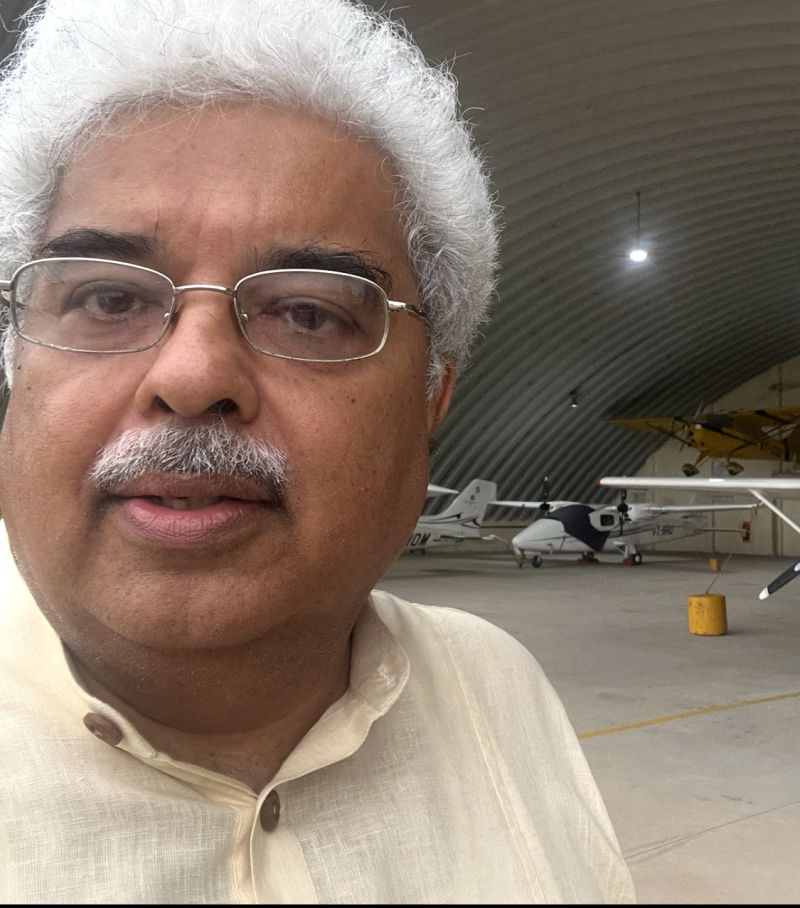
However it is Ionique and Chalo – two well funded stealth mode companies – which seem to be way ahead. Whilst Chalo is looking at global air taxi designs, Ionique has an incredible design which can be transported in a regular shipping container, is fully autonomous and can shift from a fixed wing turbo prop type configuration to a vTol in under a hour. It comes in three standard configurations – air ambulance, cargo drone and hyperspectral mapping. It was a delight to be flown in the first flying prototype.
India will soon have its first completion shop and fully indigenous monuments (the industry word used for furniture). India has the CAD CAM design ability with over one hundred private business jets being designed in India. It takes close to 25,000 man hours to design the interiors of a jet and interiors could account for 30% of the cost of a jet.