AMAT AI Platform
Designing novel materials
Working backward from the need.
The IIT Alumni Council initiated work on novel materials as recently as September 2020. To take these materials into commercial deployment, a range of MOUs were entered into with research entities from India, France, UK, Japan, Russia etc and with various govt agencies. The Council also formalised its Distingusihed Fellow Program (most accomplished member in a narrow vertical), the Forum platforms (for consultants), the Vishwaguru awards (for those who invented a category globally), the Frontier Technology Leaders recognition (in ai, blockchain, autonomous vehicles etc), SuperVCs (investors) and the Living Treasure awards (Nobel prize worthy scientists).
What one did not envisage at that point is the magic that would be created from the intermingling of these six groups. The biggest success so far has been the AI platforms. For example, a call was made for novel materials which elicited over a thousand responses.
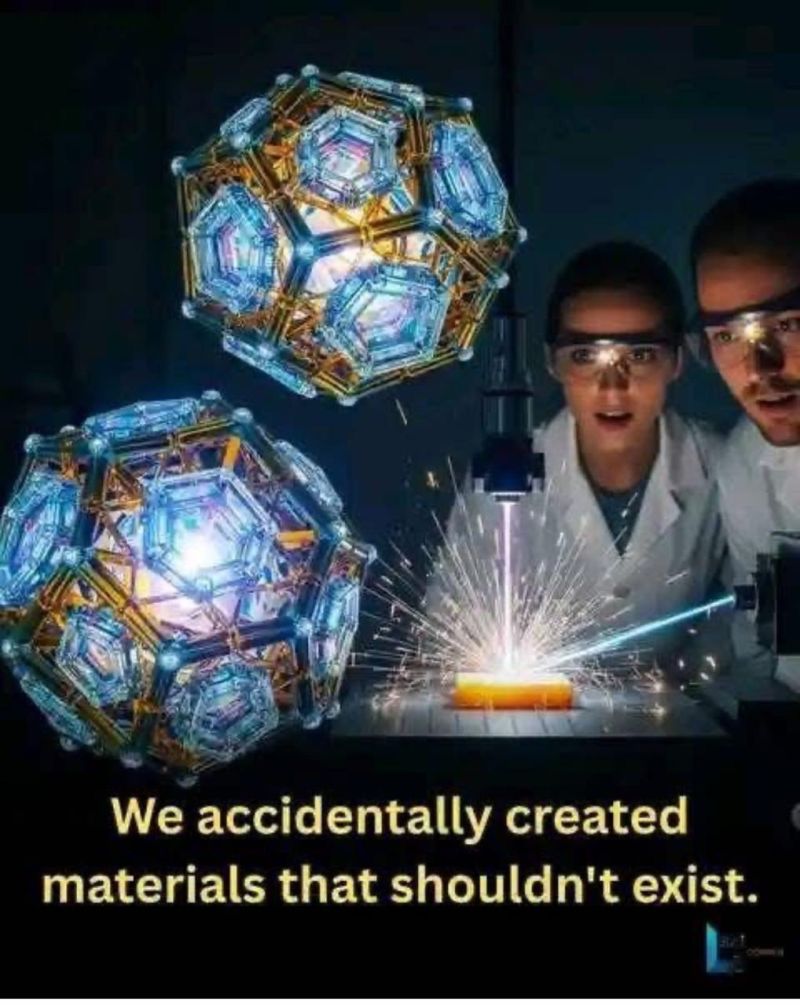
Let me share some background. Platforms like the AMAT AI platform have uncovered materials that defy the core principles of chemistry, creating “impossible” materials that challenge our understanding of atomic structure.
These substances, dubbed “metastable quasicrystals,” feature atomic arrangements that, according to mathematical rules, should not exist at all. Yet they seem very stable. This opens the doors for making carbon behave like say lithium. Or iron like molybdenum.
The breakthrough occurred by serendipity. While bombarding silicon with high-energy lasers, unusual crystalline structures that didn’t align with any known material were created. Analysis revealed atoms arranged in patterns that break fundamental crystallographic rules—akin to tiling a floor with only pentagons, which seems impossible.
These extraordinary materials display can conduct electricity in a single direction, gain strength when heated, and can store vast amounts of energy in tiny volumes. A single gram of this material can hold energy equivalent to a car battery. Visually, their atomic structure resembles an Escher-like paradox—ordered yet defying logical patterns. This is the concept on which the GO Power Technologies platform for drone and aviation batteries is built on. Hopefully this platform will help India get to the very top of battery breakthroughs.
Such discoveries challenge two centuries of chemical understanding. It raises questions about other foundational assumptions in materials science, with some researchers fearing it could upend decades of work, while others see it as a gateway to transformative technologies.
Currently, these materials are being explored for use in quantum computing, energy storage, and spacecraft propulsion by the Go Mobility initiative.