End of Google Maps stranglehold
BharatGen to help create India Maps
Digipin decimates Google monopoly
Google Maps presented life in 2D. But real life is 3d. End result was that maps worked but not like it could with an ai boost.
Google believed they had a strong moat around their castle. Addresses were not standardised. So without Google maps, a person would not know his destination and without source and destination, there can be no navigation. This was the bleak picture presented to us by the industry team when IiT Alumni Council started the GO Mobiliy initiative in August 2020. All we had was a vision to make public transport so efficient, comfortable and convenient that we wouldn’t require personal vehicles.
As a first step, over a thousand alumni gave up their personal cars and shifted to public transport. This wasn’t easy but it got done.
In five years since then, the GO mobility initiative has changed everything. We aggregated an army of twenty corporates who had the knowledge and resources to create an effective competitor. We addressed the core issues which prevented the migration from private to public transport.
The first challenge was maps. Google maps were good but not good enough. People got confused at forks and fly overs. Google maps became the single largest cause of road accidents. At public events, the map could not estimate future traffic and actually caused a traffic jam. Regulations prohibited foreign parties from accessing high resolution maps. So they had to make do with low resolution maps. End result was that Google maps left a lot of room for improvement.
The second challenge was dynamic routing. Buses have been plying forever on fixed routes. It takes u from bus stop to bus stop but not from where you are to where you want to go. For that you may need to change buses. And that may involve waiting.
The third challenge was staffing. There was no reason for buses to have conductors. There was leakage of revenue, increase in costs and reduction in efficiency. End result was that intra city buses ran for a fraction of kms that they should have.
The fourth challenge was the bankrupt state transport corpns. Legacy can be a pain. The well meaning electric bus program of the govt has been a Rs 50,000 crore mistake. Buses were purchased with a 40% subsidy. The subsidy alone was more than the cost of a diesel bus. It became a subsidy chasing competition. Terrible quality buses from unknown manufacturers grabbed volumes. They kept failing or worse burning.
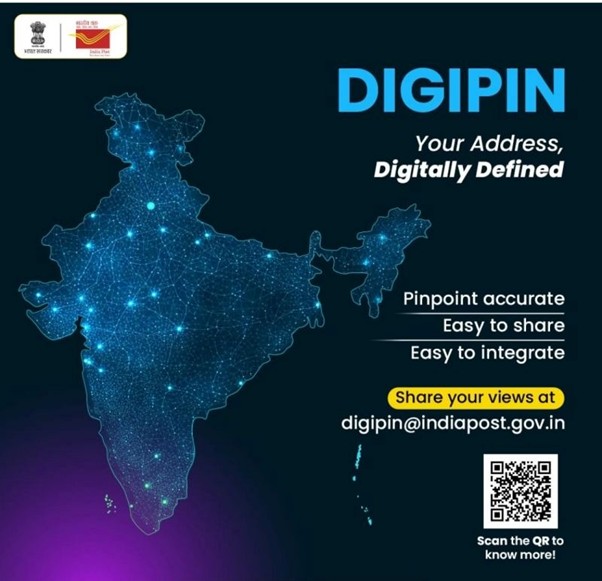
All of these are being addressed. The first challenge was to give every location a unique address. Like an ip address on the Internet. A universal address.
Digipin does that. Now all you need to know is the Digipin of where you are and where you want to go. After that the ai system solves the travelling salesman problem dropping each traveller to the bus stop nearest his destination. No bus routes and no need to change buses.