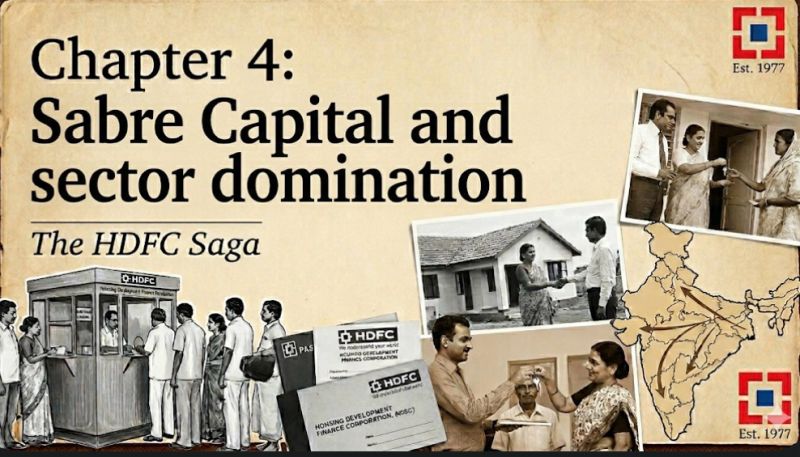
Chapter 4: sometimes the primary reason you form new teams is because you have a leadership challenge with the old one. And this was the reason that inspite of being promoter, HDFC Ltd did not send any of its leadership team members to HDFC bank.
Actually the right word is that it couldn’t. HDfC had prostituted it’s brand to help Citibank to get a baking license. And they had control. This included appointing their trusted executives as the leadership team and even appointing COSL to do the software and IT so they could control the bank as few then understood how to.
The govt didn’t care. They wanted to give multiple licenses. And it was a case of the more the merrier. So Dabur who made Pudin Hara was doing something with Lord Krishna Bank. Times of India stepped aside from journalism to establish the Times Bank. As an option to HDFC, Citi helped two former employees to set up 21st century bank. Even the sardars had their own “Bank of Punjab”.
In the meantime, Citibanks problems were compounding. Mr Khoo Teck Puat from Singapore had acquired Standard Chartered Bank and had laid his sights on the hugely attractive Havala market – which till then had only one more player HsBC. But HSBC was far more ethical and so less of a problem. The real problem was Standard Chartered. Singapore laws actually encouraged money laundering which wasn’t even an offence there. So Citi managed to get some spies into the Bank. Two of these were Rana Talwar who became head of the. Bank. And Rajiv Maliwal who became head of global equity. Now there was nothing really global about Standard Chartered. It was really a India play and followed the exit path of money. And Mr Koo had many wives and even more children. Fortunately Mr Koo died and all the front men he had appointed for regulatory approvals usurped the bank and that was the end of their troubles.
By then the BJP had come into power. And Mr Talwar and Mr Maliwal were looking for work.
Back in HDFC, Renu Sud had become Deepak’s main partner in more ways than one. Aditya Puri ran it like his fiefdom with Citibank colleagues like Paresh Sukthankar.
But the BJP govt was getting troublesome. The large number of private banks had made it impossible for any to get scale. Regulators were breathing down the throat of Citibank to form a local subsidiary. And not operate as a branch of a bank. But that was bad for the business that they were in. They needed opacity, not regulation. It was a very trying time for both HDFC and Citibank.
Talwar and Maliwal were typical citi style small timers. Maliwal had grown up in Akola. He managed to get into BITS Pilani and then IIM Bangalore. With nothing but education to fall back on, they worshipped Citibank. With Koo now dead, they were set for their next gig.
Talwar is sword. And so is Sabre. And this was formed Sabre Capital /Partners. Their job was to either destroy the new private banks or to merge them into HDFC.
And preparations started in earnest.