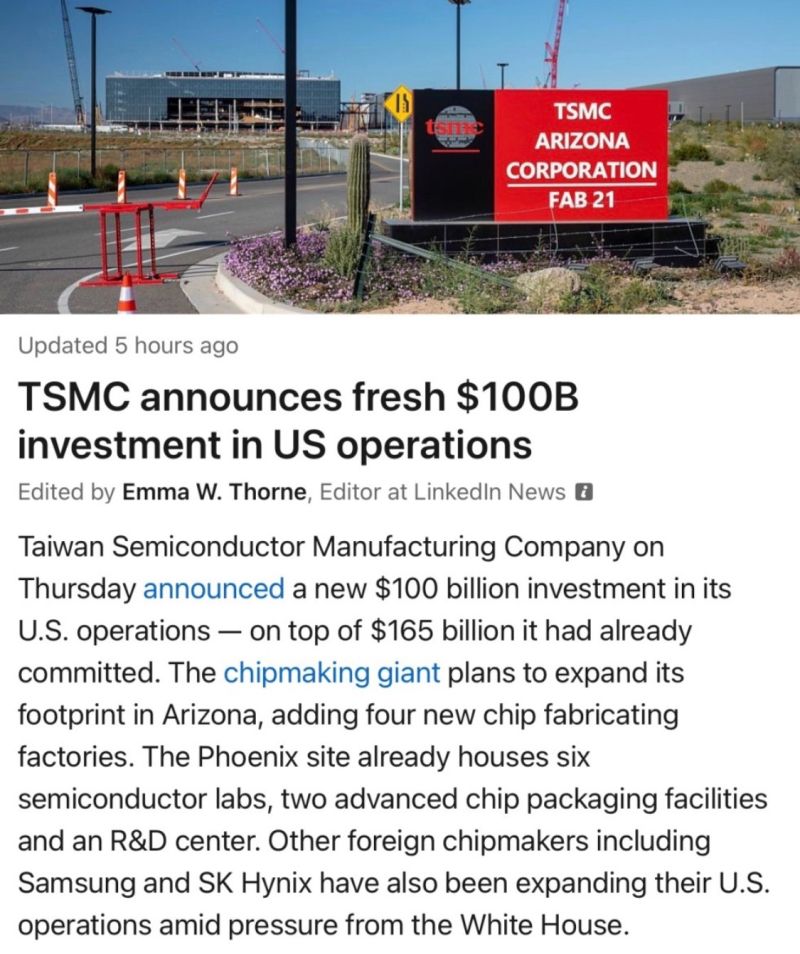
Semiconductor manufacturing like any major industry is an ecosystem game. If a company has to operate in isolation, it either needs a lot of free money or a lot of time. Or both.
Once the ecosystem is in place, the entire ecosystem can move to any geography where the govt incentives are the highest. This has been the Intel – Applied Materials playbook which took them to places like Israel to build fabs. Global Foundry is the other similar player. With dollaps of Middle East money.
But neither Intel nor Global Foundry nor TSMC agreed to partner Tatas. They had to get some highly adjusting partner who has never built the chips that Tata wants to. Usually such partners provide equity to a JV in return for the opportunity of getting a kickback on equipment sales to the JV. The capital cost of the project gets padded up by 100 to 500%. And the JV gets a subsidy which is a percentage of stated project cost.
Electric buses also had a same dilemma. How can govt public transportation which is not viable with a Rs 38 lac diesel bus become viable with a Rs 2 crore electric bus. Both the electric and diesel buses have the same length, same width and same passenger capacity. In fact diesel buses don’t need a long break for charging like the electric ones. Now no matter what assumptions you make – unless the electric bus gets Rs 1.6 crores as carbon credit – the electric bus is not going to be viable unless the diesel one is whoppingly profitable.
Some STCs have upto 35,000 crores in accumulated losses. Now they want to buy 10,000 ebuses. How can they break even.