It is interesting to see India’s new universities like Sharda actually create global recognition for themselves. Over the years, it is emerging that the only way to create a new residential institution is to start with adequate space and premium infrastructure. The twenty plus private universities and the thousand plus private colleges in Uttar Pradesh have done a good job on the infrastructure side. However, they struggle on the soft side of things because they don’t have adequate faculty of requisite quality. The problem extends to premium colleges like IIT as well.
On the engineering side, good engineers prefer industry and govt jobs over academic jobs because of the wealth creation possible in startups through options like ESOPs. As well as opportunities for even low calibre talent to rise to the very top as has been seen in marquee companies like HdFc, Tatas and L&T. This happens not because of meritocracy but because of decision support challenges in areas like HRD.
What are you rating leadership for ? Are you rating them for fixing and wheeling dealing to get licenses, subsidies and tenders. Or are you rating them for hard work, people leadership and domain expertise. The failure of industry to induct serious domain experts in the leadership has resulted in innovation failure and a loss of global competitiveness.
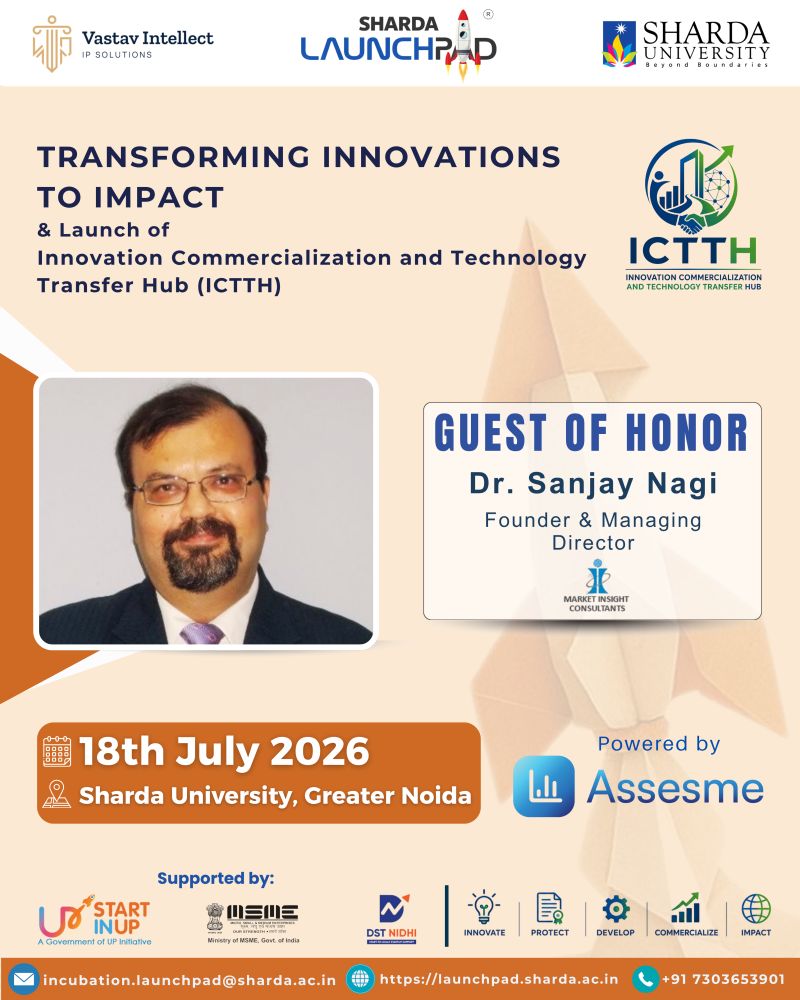
The field of decision support has benefited the most from the proliferation of ai. Experts like Dr. Sanjay Nagi are not just domestic thought leaders but global ones.
When the IIT Alumni Council launched an initiative to compete with the Big4, it came to a rather surprising conclusion. Essentially the ai powered model crawled the web to analyse literally millions of web pages to advise that it didn’t make sense to compete with them.
The Big4 had a legacy model which was not just hard but impossible to migrate to the ai age. It thus made sense to in fact vacate that space and instead focus on creating a platform which is both ai native and ai based. Such a model helps create a flat organisation with primarily just three levels – students, interns and entrepreneurs. The model eliminates the chasm between education and employment by creating a continuum which identified unique competencies and interests of an individual with opportunities.
This requires traditional education to be reinvented by inverting the model. The current market model is based around monetising the undergraduate factories and ignoring the post graduate and doctoral levels. As a result, undergrad is essentially a broadcast type teaching which delivers the same syllabus to all students irrespective of their learning rate, preparedness or relevance. The entire program is delivered within a single college.
This is all set to change with NEP. The concept now is that if a host college and the reality of students taking courses in different colleges – maybe in different countries.
That future is NoW.