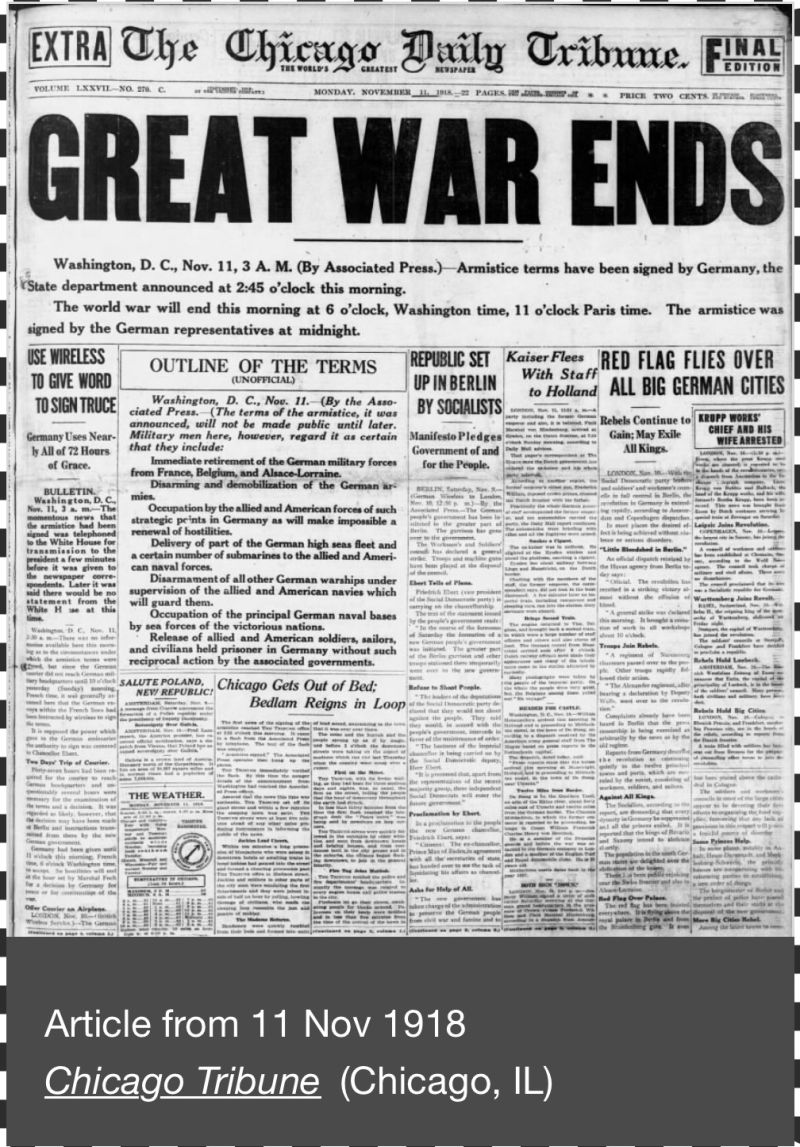
Chapter 2D: The war ended sooner than expected. The wildcard entry of USA was a disruption in the world order. It was no longer an extension of Britain. It was a new player. An unknown player. It was a democracy – a concept alien to India. Neither the Aga Khan nor BN were familiar with this new entity.
The end of war had created problems for both. And their differences came to the fore. Quietly in the background, a geographic shift was happening in India. Bombay was emerging as a major commercial centre with its own ecosystem of gujrati and Parsi businessmen. The Maharshtrian Brahmins seemed to have “potential”.
The Aga Khan was already in Bombay with a closely knit community of followers living in the Anjuman e Ismaili compound in Byculla. BN was the king of the industrial belt from Kabul to Kanpur. He had operations in Chennai and Calcutta. But none in Bombay.
The period from 1918 to 1938 – from the end of one world war to another was the period of definitive change and transformation. Colonial structures had come up in Lutyens Delhi. Marine Drive was being developed. Land was going to be acquired from the sea. These were radical technologies.
Aga Khan needed paying followers. He couldn’t be dependent on the largesse of the British. BN had more fundamental problems. His godowns were filled to the brim with inventory. He needed a war to happen in a hurry.
Or he needed “peace time” applications for tents. In 2019, Tilak invited BN for Ganpati celebrations. People were setting up small pandals. What if larger pandals could be set up. Large pandals mean large tents. It was also a great way to rally people – supposedly for religion. Once you got an audience, you could share a message. BN and Aga Khan both understood this. They also understood that Bombay was where the action could shift to.
Two business houses were emerging. The Maheshwari traders who were Arthis had got into manufacturing. Birlas were the lead. Earlier both the Birlas and Parsis were into opium trading. Now they were eyeing textiles, steel, hotels, engineering.
Aga Khan decided manufacturing was too complicated. Better to focus on trading. BN did not see any future in competing with Manchester or in steel. His focus was value added agro – cotton and rubber – and fabricating end goods to be sold to bulk buyers. War supplies was his game.
But what do you do with thousands of tents lying unsold. What if you could build an entire city overnight just as armies did on the battlefront. Cost was recovered in days – not years.
What is that one use case that would sell his massive inventories or recover their cost in days. Tilak gave him that use case.
THE MAHAKUMBH.
The Kumbh was that use case.
And it was around the corner. 1921.
BN launched a marketing machinery not seen to that date. The Kumbh of 1921 would be the largest in history. And have more tents than any battle front ever had.