Taxation
Can make or break a business
In 1988, JRD Tata wanted me to help him understand the comparative advantage derived by Reliance from non payment of tax. The most tax literate CEO in those days was DM Kothari of Nerolac Paints – a Tata company and the market leader in the space. My friend and guide Mr Pendse was the trusted finance genius. I was there as the Lotus 1-2-3 operator. My two floppy desktop from HCL and dot matrix printer had been moved to the Tata House Boardroom.
Like in many other industries, Tata lost the plot later on and cos like Nerolac or ACC are no longer a part of Tatas. And Mr Pendse was driven to suicide for the Tata Finance scam. But that is another story.
The ten hour discussion in 1988 was around a far more complex subject. Would Reliance gallop ahead of Tatas on the back of tax avoidance. What exactly was their comparative advantage.
The analysis that followed over the next three days was to change the shape and scale of not just the House of Tatas but that of corporate India.
In those days, when Tata sold a truck or tea – out of Rs 100 that a customer paid, Rs 63 went to the govt as income tax, sales tax, excise and customs duty. Only 37 was within the control of the company. Take out material cost of Rs 20. And you are left with 17. Take out wages and it becomes 10.
To pocket the 10, you need to be interest free lest the bank take it all away. And so the Tatas were low on both debt and equity percentage. In some Tata cos, their holding was under 5%.
Reliance was not playing on the 10. He was playing on the 63. He had got it down to 35. This gave him an advantage of 28. Tatas had zero chance of competing. It was a matter of time before Reliance took over Tatas. Tatas would go the Orkay way. Merge of die.
JRD Tata was an intellectual and a statesman. As is Noel Tata or as was Cyrus Mistry. He got the big picture immediately. Growth had to be increased by 2x or 3x. The growth was to be financed by borrowing. An in house finance co and core group was required. Tax outflow had to be reduced. Equity holding in companies had to be increased. ANYHOW but legally. There was to be no compromise on the value system.
Tata Finance was empowered. Mr Pendse was to lead it.AF Ferguson were to be the auditors and morality keepers. Mr Kale was the audit partner.
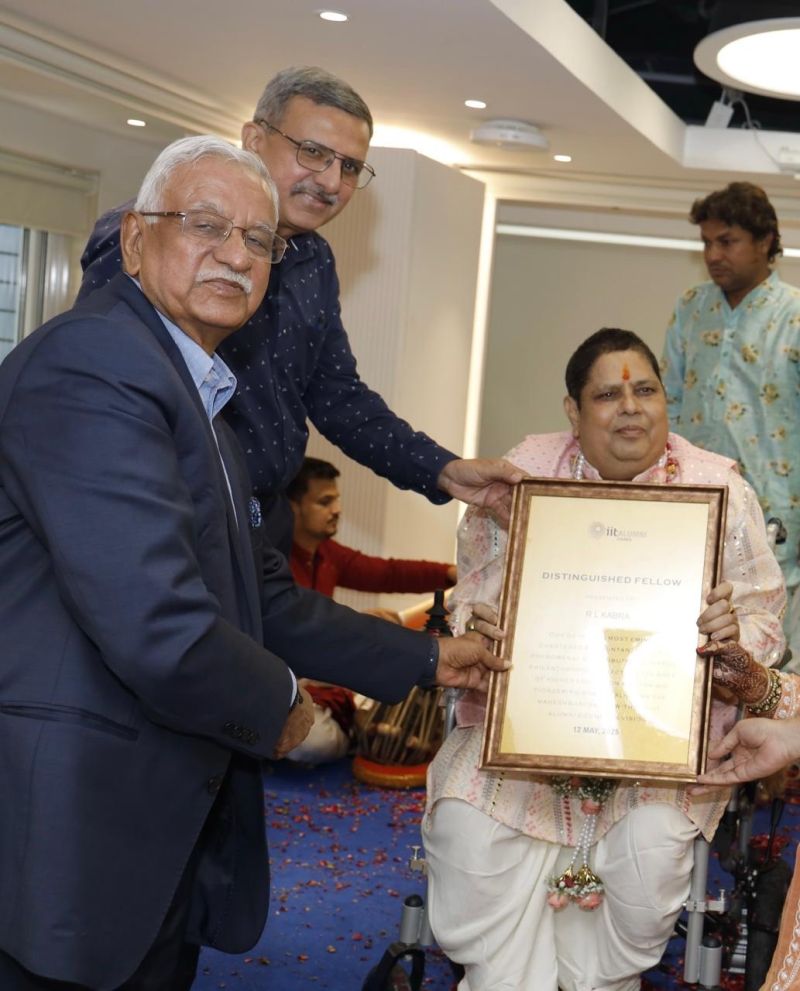
That is when I first met Mr Kabra. He was the joint auditor for one of the audits. And the person we consulted on analysing Reliance’s tax strategy. He didn’t need to refer to a book or look for documents.
He pulled out a sheet of paper and put all the numbers down. Sales, revenue, loan, depreciation, equity, valuation ….. and tax. For Reliance, for Orkay, for JCT, for Bhilwara, for everyone else.
Tata textiles was put up for closure.
The focus of the group shifted to taxation.
Salaries were increased.
Stock brokers were invited to the Boardroom. Bank Chairmen were given memberships of the Chambers at the Taj.