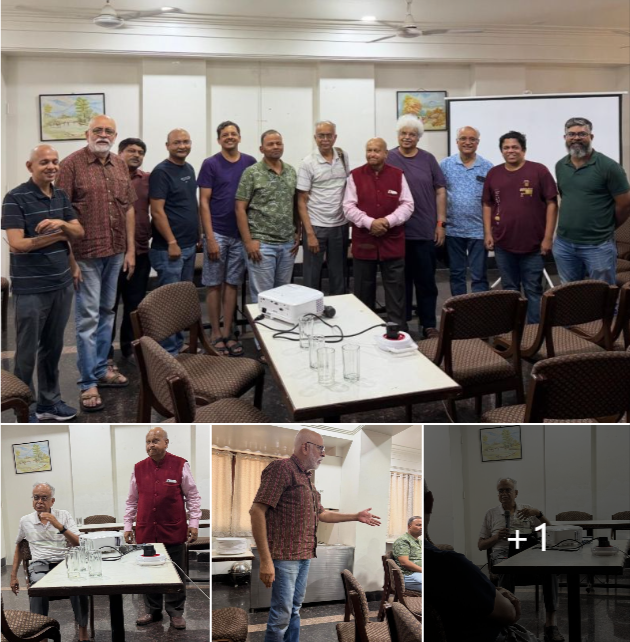
The IIT Alumni Change Leaders Meet at Kimaya Restaurant in Pune on Sunday concluded with a rather sad observation. The topic of the day, “Does India have what it takes to succeed in technology”. Our usual mentors ranging from Dr Harrick Vin, Global CTO of TCS to un named leaders of the worlds largest tech companies were absent this time (guess too much work involved in giving out pink slips.
Raghu Iyer who had promoted Switch On and Nevis Networks – both of which delivered world leading IP right out of Pune shared his views. It was the routine stuff, “we have what it takes and don’t have what is needed”. He highlighted the three key needs – a smartphone CPU, a phone OS and a phone web browser. All three easy to do – just needs money and some guaranteed market access.
The central point of debate was how do you get market access. Is it by regulation or is it by superiority ? But then someone raised another point, “How can one build a company if the prevalent market leader prices his product or service at zero ?”. My view has always been to create a vaccum by banning the bad actors like Google and meta. Once you ban them, indigenous players emerge almost overnight.
A good example is email. Gmail ruled supreme and the official government email didn’t work. Foreign reliance became so bad that the highest office in the land was using Gmail. And digilocker was using Google data centres. The news kept getting worse.
Now it seems Zoho runs the nic.in emails and they work a lot better than they did. Whether they work better than gmail or not is another issue. But this change lays the groundwork for three major events – a domestic vendor who will hopefully learn on the job, making govt email safe from prying eyes and third … this is the most important … lay the foundation for gmail to be banned.
There is one thing I however disagreed with part of the group on. And that is the nature of govt intervention. By nature, many of us who come from modest backgrounds seem to think the govt owes us a favour. So they should provide free risk capital to do these supposed nation building tasks. The presenter said he needed USD 25 million and two years to deliver an indigenous smartphone OS. His earlier slide mentioned that he had made a usd 450m exit and then even made a second exit. Surely usd 25m was loose change for those in the room.
So why isn’t the usd 25m on the table to deliver what is needed. The reason is far more sinister than we would like to admit. And that is the freeloader mindset of the NRI. India exported labour. Not leaders. Those who succeeded stayed back. Those who failed returned. There may be a few exceptions here and there – but in general that is the rule.
When people fail and return, they become insecure. Insecurity leads to a certain behaviour pattern. And risking your own capital is not one of them.
I don’t believe we can overtake the U.S. by importing their rejects.